Related

The Free Performance Hack Most Athletes Ignore
When it comes to optimizing performance, we usually think about fundamental pillars such as training, sleep, and nutrition (and for good reason). However, one pillar is often completely overlooked and is something we do thousands of times every day. This powerful tool can calm anxiety, boost performance, speed recovery, and more when harnessed. The best part? It costs us absolutely nothing. If you haven't caught on by now, I'm talking about the power of breathing. The highest performers in the world, such as Military personnel under immense pressure and stress, use this tool to help them remain calm, collected, and focused, so why not use it with athletes? After reading this article, my goal is to give you a glimpse into why I incorporate breathwork into my sessions at SG3 Performance and why you should take advantage of this powerful, low-hanging fruit.
Before understanding how to utilize breathwork, we have to address the nervous system. There are two main divisions: the Central Nervous System (CNS) and the Peripheral Nervous System (PNS). The CNS, made up of your brain and spinal cord, is your body's supercomputer, the command center responsible for processing information and sending signals that drive everything from speech and memory to emotion and movement. The PNS consists of the nerves outside the CNS that relay information back and forth between the body and brain. Within the PNS, the autonomic nervous system controls your involuntary functions, the things your body handles without you thinking about them, such as your heart beating, digestion, and, most importantly for the purpose of this article, breathing.
The autonomic nervous system has two divisions. The parasympathetic system, known as rest-and-digest, calms you down, helps you recover faster, think more clearly, and feel better overall. The sympathetic system, known as fight-or-flight, kicks in when you're sprinting, lifting heavy, or competing in a big game. The problem is that in today's world, with technology, social pressure, and non-stop stimulation everywhere we look, most people are rewiring their nervous systems to live in a constant sympathetic state, chronically anxious, heart racing, and blood pressure elevated. Not to run from a bear, but to go to the grocery store. See the problem? Add poor nutrition and sleep to the mix, and we have a serious issue on our hands.
Another problem many of us face is that we struggle to breathe deeply with our diaphragm, instead defaulting to shallow chest breathing. This pattern reinforces sympathetic nervous system activity, making it harder for the body to shift into a parasympathetic state. Teaching athletes how to breathe through their diaphragm properly is one of those simple yet overlooked skills that, once learned, makes a significant difference both in and out of the weight room.
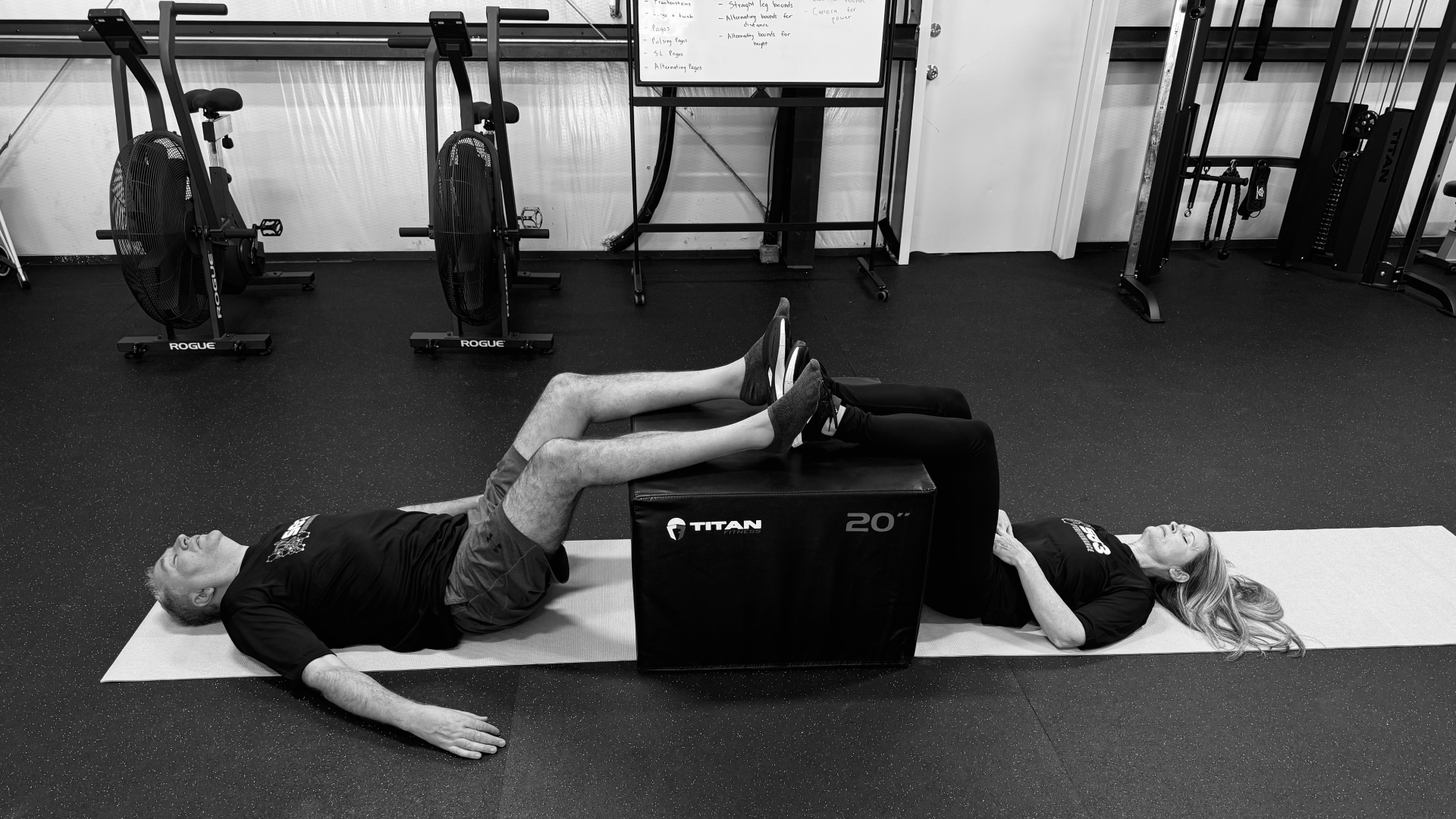
Now, let's look through the eyes of a student athlete. On top of these issues, you have stress from things like training and your sport (most kids play year-round), stress from schoolwork, and then specialized cases (think the loss of a pet or family member) that can come around from time to time. Sympathetic overdrive. Just as athletes need days to rest and recharge, they need strategies to hack their nervous systems into a parasympathetic state when necessary. And, if also required, a sympathetic one. This is why I program breathwork as a cooldown, and sometimes as a tool to prep the nervous system for a big lift. During the cooldown, it allows the athlete to kick-start the recovery process and shift the nervous system into a parasympathetic state. These breathwork techniques are also tools in the toolkit for when kids have had a hard day at school and need a way to blow off some stress, are overthinking before a big game, or need a way to relax before bed. Realize the concept of breathwork goes beyond the weight room, and you have something that gets built in as a lifelong component to help you deal with the everyday stressors far beyond what the field or court can throw at you.
You've been breathing your whole life. It's time to start doing it with intention. Stop by SG3 Performance and see the breathwork techniques we integrate into every session.
References
Johns Hopkins Medicine. "Diaphragmatic Breathing." Www.hopkinsmedicine.org, 2024, www.hopkinsmedicine.org/all-childrens-hospital/services/anesthesiology/pain-management/complimentary-pain-therapies/diaphragmatic-breathing.