Related

YouTube Workouts and Knee Surgery: My Path to Exercise Science
I vividly remember my years as a teenage athlete, watching YouTube videos of my favorite players and trying to copy their workouts. Without access to professional trainers, I used whatever resources I could find. At the time, I thought I was doing pretty well.
Looking back now, I wasn't.
No matter how many videos I watched, my workouts lacked real structure. I didn't understand why exercises were programmed in certain orders, why specific rep ranges mattered, or how rest periods affected adaptation. I just did what the pros did because I wanted to be a pro.
Even when I started working with local strength coaches, the training didn't improve much. The programs looked like bodybuilding splits designed to destroy you in the gym, with little thought given to what athletic qualities we were actually developing. Throughout high school, my athletic development stalled. During my senior year, a knee injury complicated things further.
Still, my work ethic on the court got me to the junior college level (with dreams of transferring to play division one after two years). But recurring knee issues required surgery, and without proper rehab or strength programming to support my return, I played through pain while my love for basketball slowly died. In its place grew something else: an obsession with understanding how training should actually work.
That injury sent me deep into exercise science. I needed to understand how to optimize the human body for performance, not just push it until it broke down. I declared exercise science as my major and spent my undergraduate years studying one central question: where do most strength coaches go wrong when training athletes?
Here's what I learned: most training fails because it confuses hard work with smart work.
Effective strength and conditioning isn't about destroying athletes in the gym, it's about intentional progression toward specific adaptations. Every exercise, every rep range, every rest period exists for a reason. When programming lacks that foundation, you're just accumulating fatigue without purpose.
Real training requires constant monitoring: technique under load, fatigue accumulation, individual response to different stimuli. An educated coach knows what adaptations each phase of training should produce, what warning signs indicate an athlete is breaking down instead of building up, and when to push versus when to pull back.
This is what SG3 Performance was built to provide. Science-backed, athlete-focused programming designed around athletic development, delivered by a coach who learned the hard way what happens when those pieces are missing.

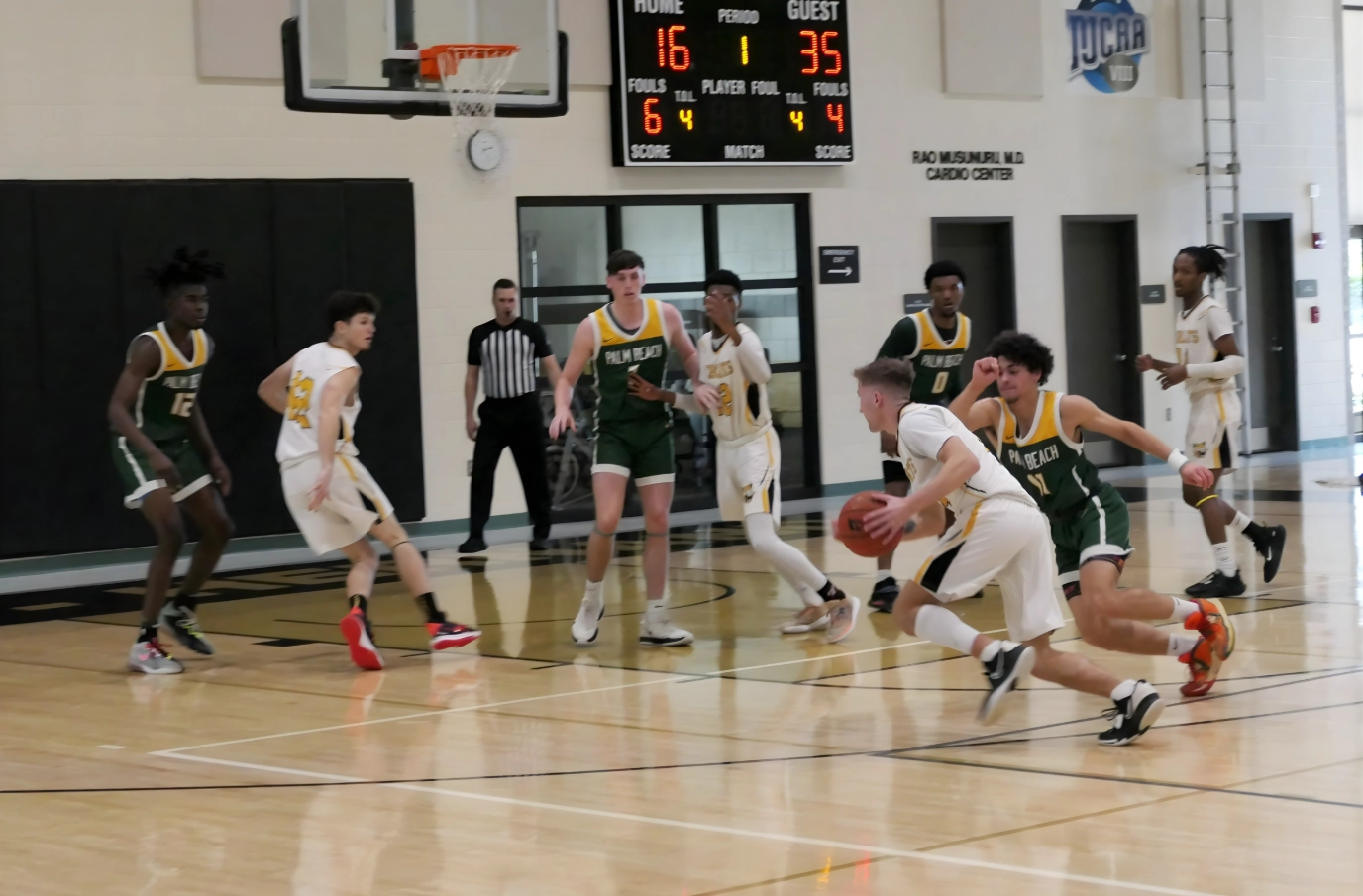
My senior year basketball picture.

Waking up from knee surgery at HSS in New York City.
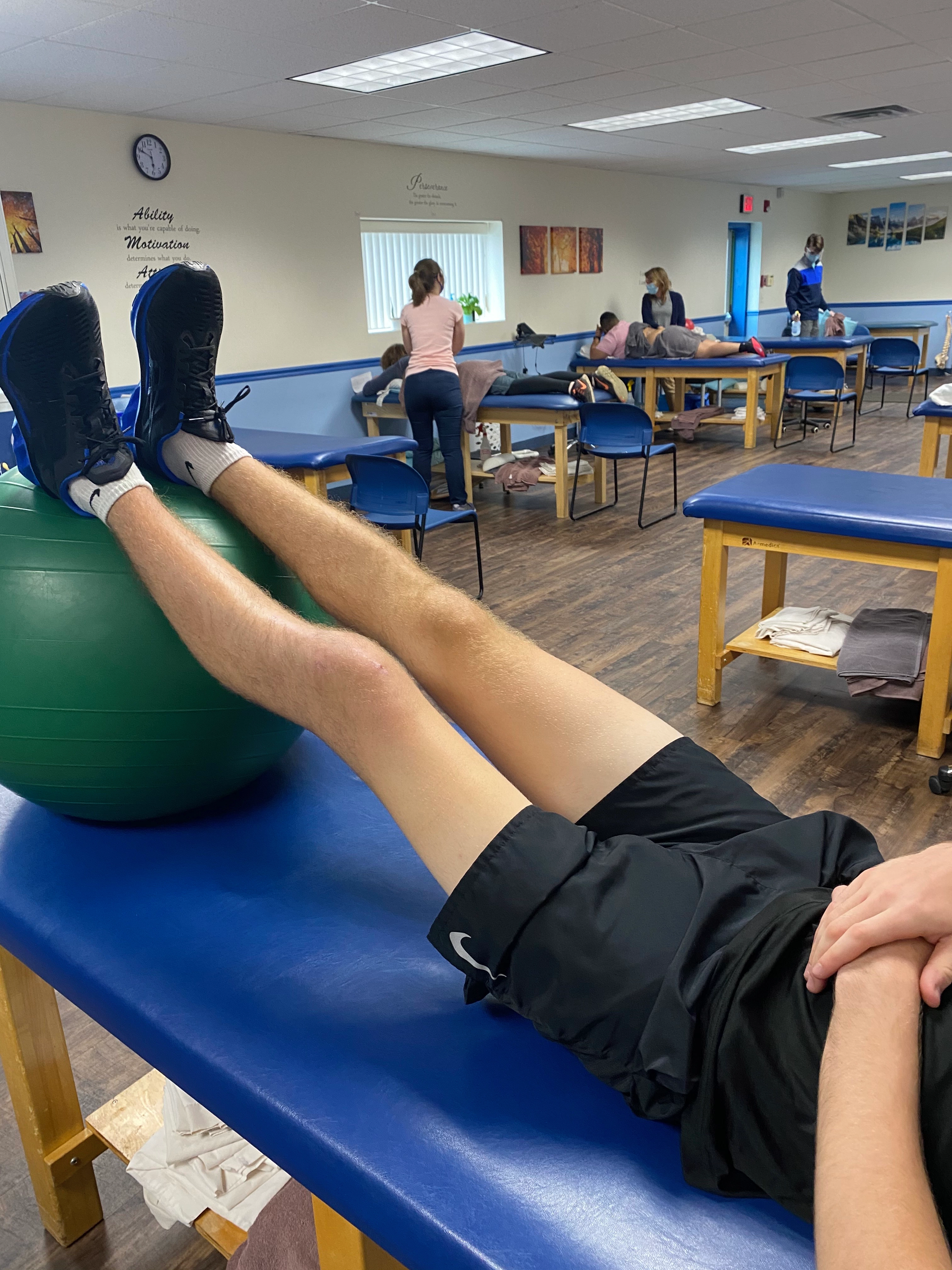
The muscle loss in my left leg after months of non-weight bearing following surgery.
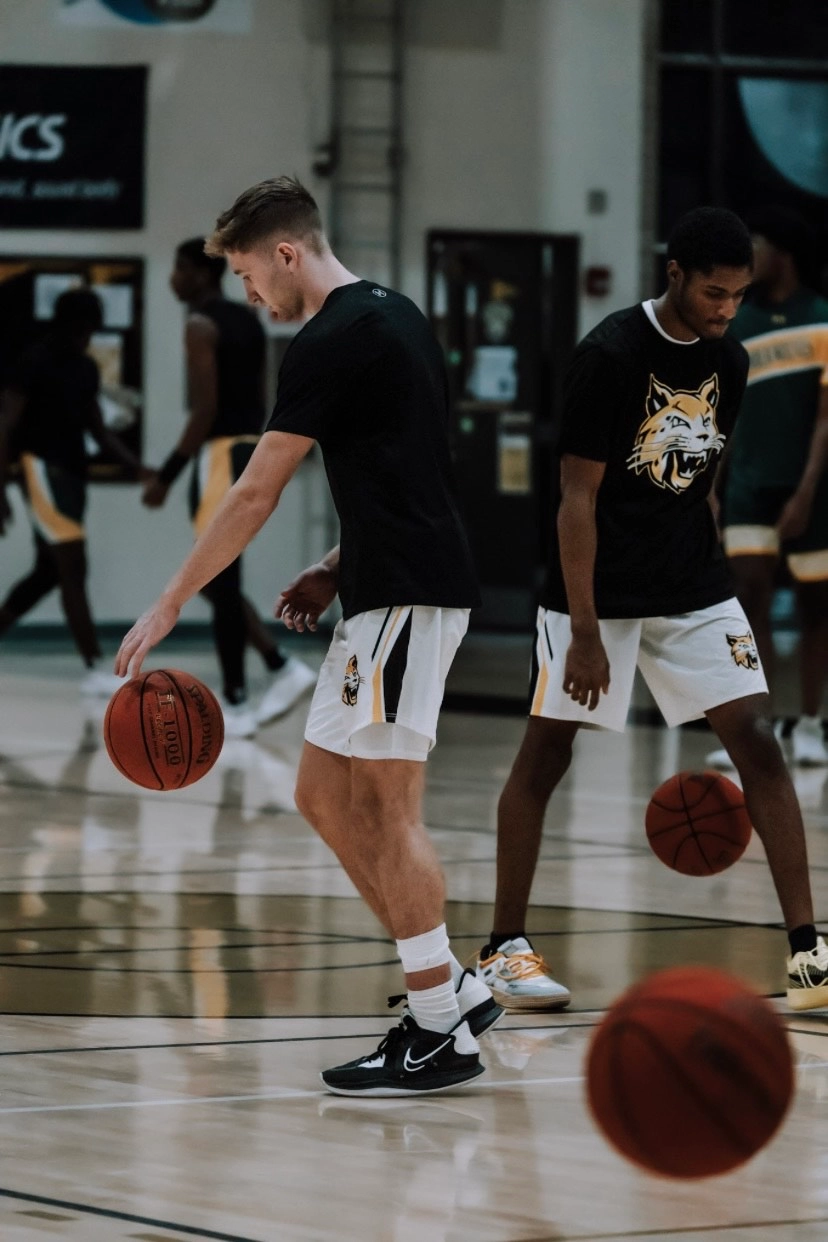
My return to the court.